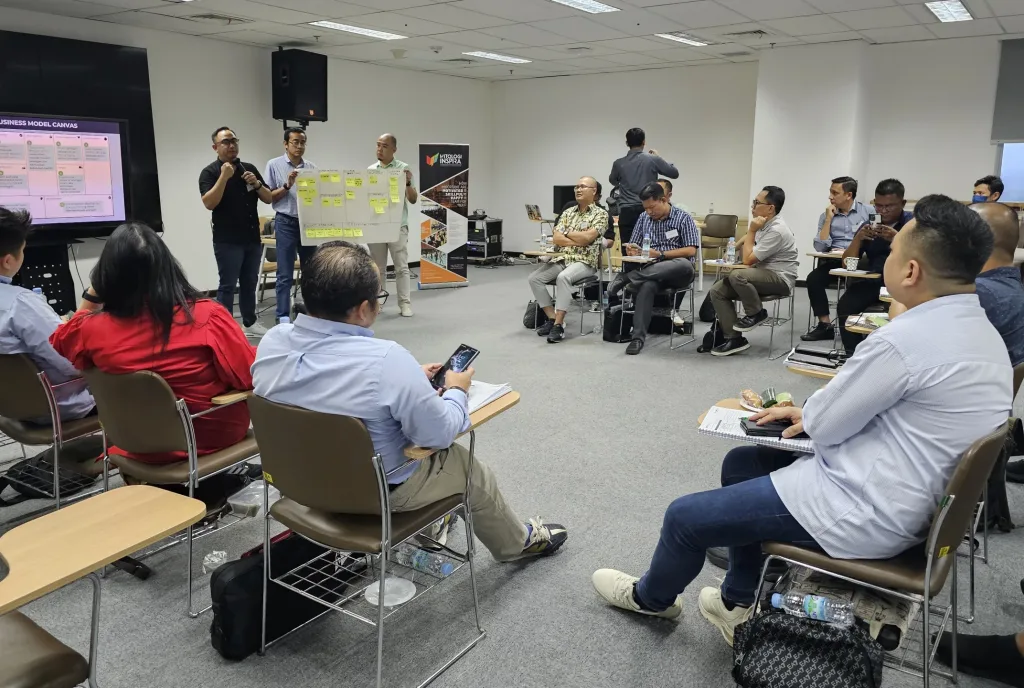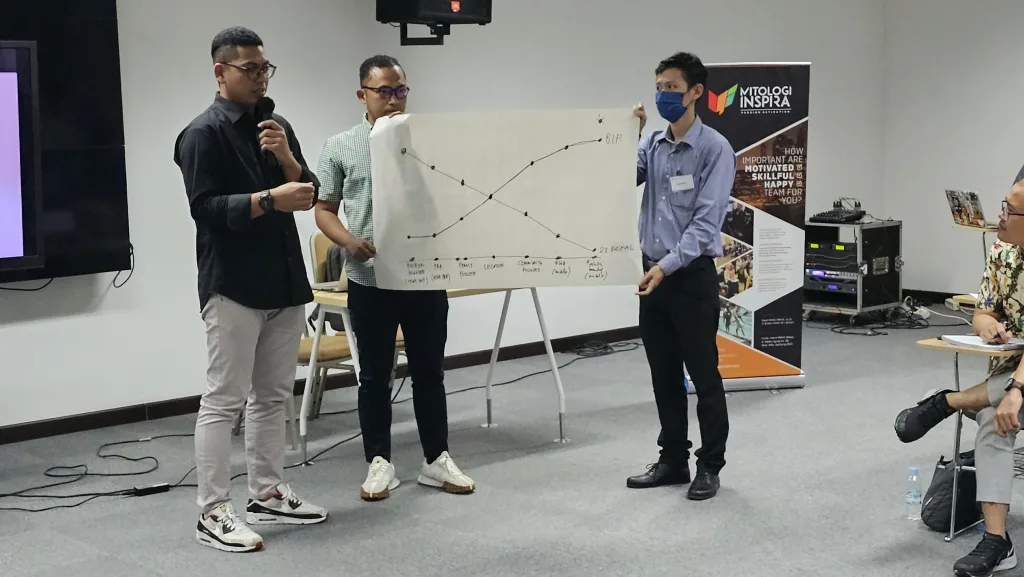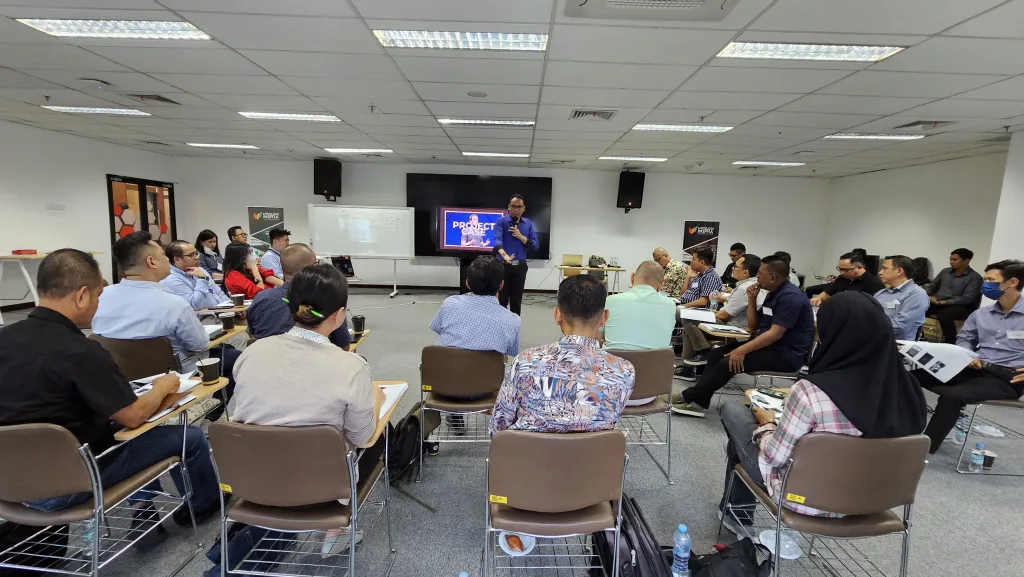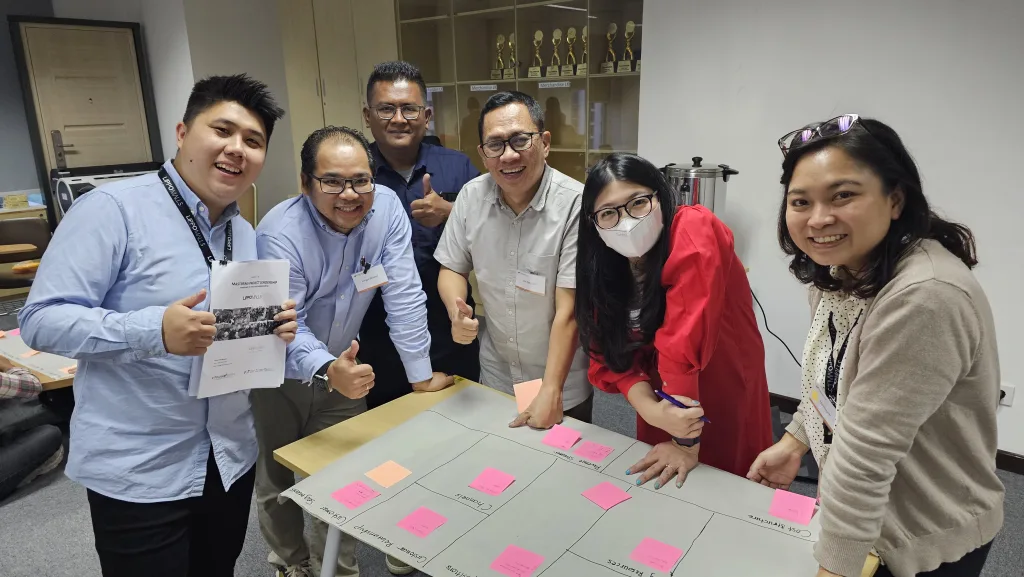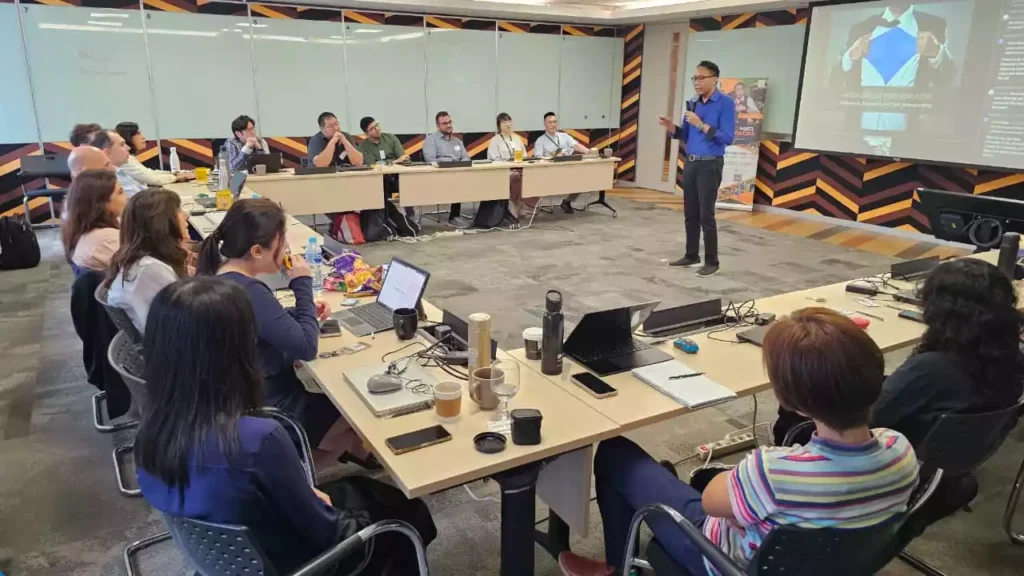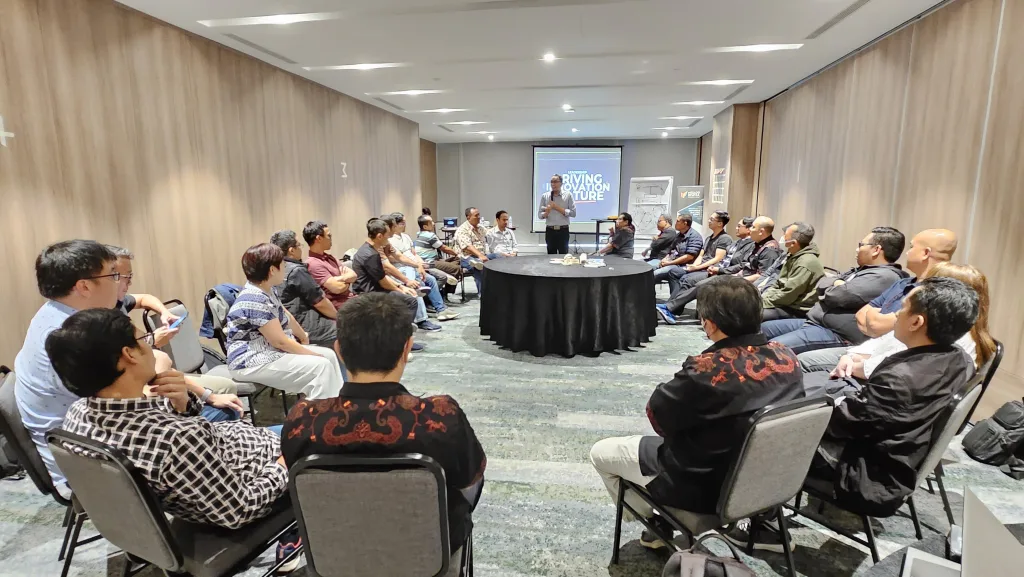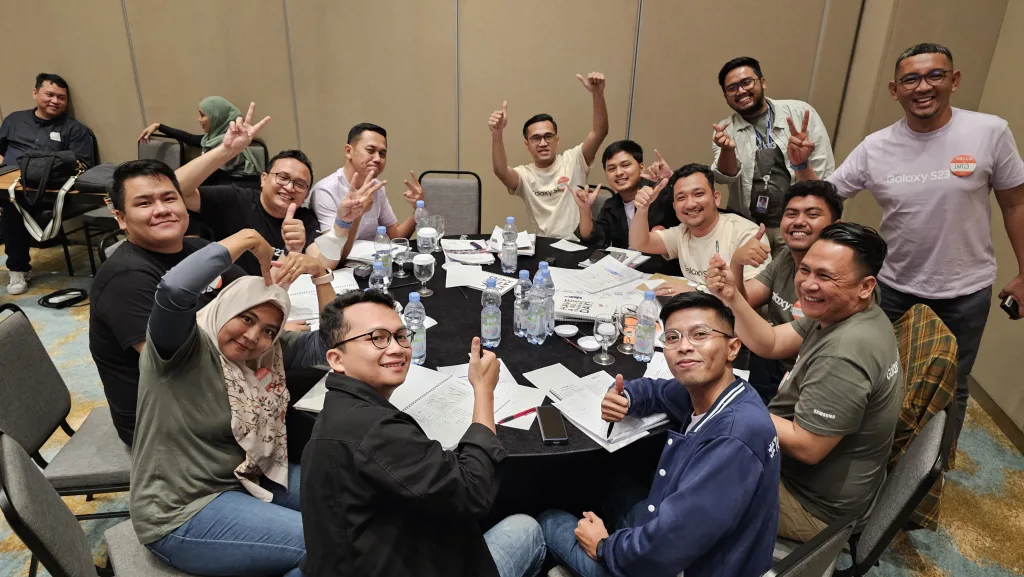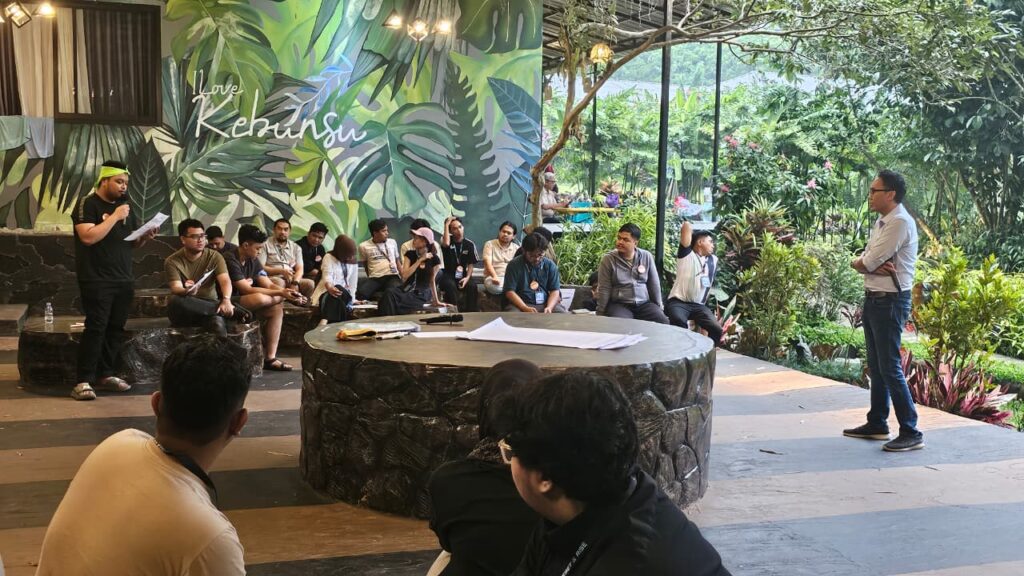
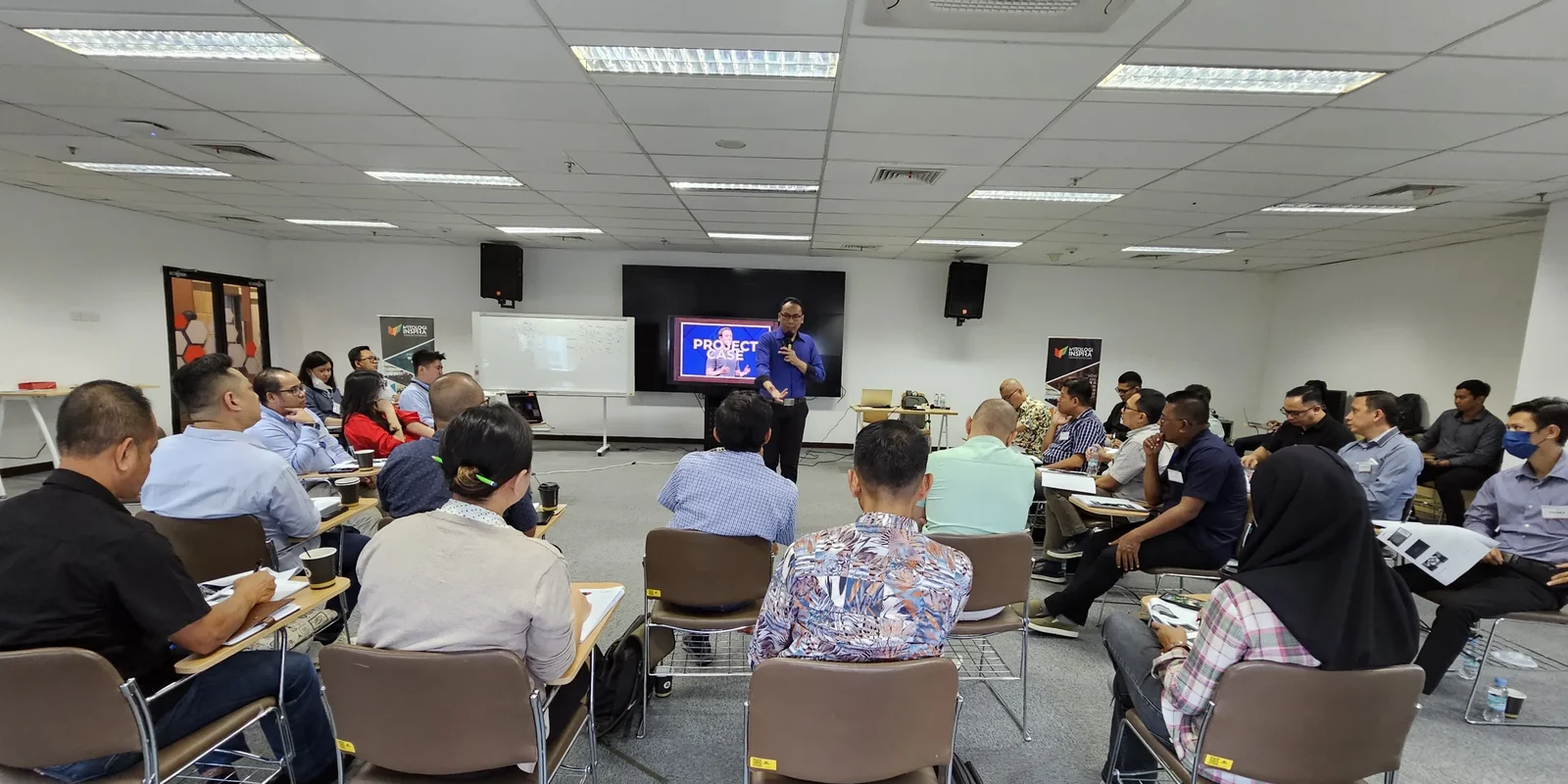
Employee training costs consist of six components, and three of them are most often overlooked in the budget: participant time spent during the session, preparation costs for the facilitator, and follow-up costs after the session is completed. When all three are calculated, the results often differ significantly from the figures listed in the most affordable bids. A budget that only includes activity costs will appear economical on paper but costly in practice, as the content doesn't translate into daily work.
Table of Contents
ToggleWhy training budgets often go over budget
Training budgets are typically based on a single figure: the program price. However, the program price only covers a portion of the costs that actually go to the company. The remainder is spread across other departments, recorded as unused hours, and never appears on any budget sheet.
The consequences are twofold. First, the comparison between offers becomes unequal, as only the visible parts are compared. Second, the decision to continue after the session is over becomes more difficult to maintain, as no budget was allocated for it from the outset.
Six components of employee training costs
- Participant time. Each training day is a workday not used for routine work. Its value can be estimated by multiplying the number of participants by the number of training hours by the estimated value of their work hours, and this figure is often greater than the cost of the program itself. This component is usually not included in the budget because it is recorded as regular work hours, not training costs.
- Facilitator and preparation. This isn't just about the cost of the day itself, but also the time it takes to understand the team's context and adapt the materials. Facilitators who prepare custom materials will charge different preparation fees than those who use ready-made modules, and it's important to understand the differences before comparing prices.
- Facilities and logistics. Space, meals, equipment, transportation, and lodging if conducted outside the city. These are easiest to estimate, as they are all paid to a third party at a rate that can be requested in writing.
- Materials, tools, and instruments. Workbooks, activity supplies, and the most frequently overlooked: the cost of assessment instruments if the program uses personality or diagnostic tests. Official instruments have a cost per participant, and that cost is usually a separate line item, not part of the program price.
- Internal company time. The HR team spends hours collecting participant data, processing invitations, collecting confirmations, and coordinating locations. This is rarely quantified, but it can amount to several business days for large-scale programs.
- Follow-up. Post-session reinforcement, regular mentoring, and outcome checks. These components are often removed when budgets are cut, and they are the ones that determine whether training content is sustainable after a few weeks.
If the six components are written side by side, the composition is usually like this.
| Component | Who usually bears the burden? | How to estimate it |
|---|---|---|
| Participant time | each participant's departmental budget | number of participants x training hours x estimated value of working hours |
| Facilitator and preparation | training budget | ask how many days of preparation are included in the offer |
| Facilities and logistics | training budget or general office budget | ask for written rates from the venue and food providers |
| Materials, tools, and instruments | training budget, often separate | ask for the cost per participant for each instrument used |
| Internal company time | not budgeted, just used | record the HR team's working hours during preparation and implementation |
| Follow-up | the following year's training budget, often overlooked | determine from the start how many times reinforcement will be done |
How to calculate the budget per participant without guessing
These three steps make it possible to maintain budget figures when asked by the board of directors.
- Calculate the cost per participant first, not the total cost. Divide all components by the number of participants. The per-participant figure makes comparisons between formats more equitable, even when one format uses two batches and the other uses one large batch.
- Separate the ones that come out once and the ones that recur. Facilities and logistics are usually a one-off expense. Participant time and reinforcement are often repetitive. Separating the two lets you know where to cut back without compromising on results.
- Leave one line for reinforcement from the start. If reinforcement is not budgeted for from the start, it will always be considered an additional cost down the road, and is usually the first to be cut.
One common mistake is comparing bids based solely on total figures. Two bids with similar total figures can have very different content, particularly regarding the number of preparation days, the number of participants per batch, and the presence or absence of a follow-up plan. We'll discuss how to examine bid content down to its components in corporate training packages: content and how they work.
The most frequently cut component, and the most expensive to cut.
If the budget needs to be cut, the most common order of cuts is strengthening first, then the number of facilitator preparation days, then the number of participants per batch is increased to reduce the cost per person.
All three seem like safe savings. In fact, they cut out elements that transfer the training content to everyday work. Increasing participants reduces speaking time per person. Reduced preparation makes the material generic. Eliminating reinforcement makes the session cease to be an experience, not a change in how things work.
If the budget is indeed limited, the safer approach is to shrink the scope, not the depth. Choose one team and one clear problem, implement it with full preparation and reinforcement, and then use the results to justify the next budget. A small, complete program is easier to maintain than a large, half-complete one.
When should training budget be reallocated?
There are times when training funds are better spent elsewhere, and it's more honest to say so than to keep doing it. Three signs to check first: First, the problem isn't with the person's abilities, but rather with the work process, which no one can execute effectively. Second, two divisions have conflicting targets, so whatever training is being conducted will clash again after the session. Third, important decisions are being held up pending something unrelated to the person.
In these three situations, training only makes people more polite during disagreements, without eliminating the source of the disagreement. It's more appropriate to improve the process or align targets first, then train afterwards.
Frequently Asked Questions
What are the components of employee training costs?
There are six: participant time, facilitator and preparation time, facilities and logistics, materials and instruments, internal company time, and post-session follow-up. The last three are the most frequently overlooked budget items.
Why are training costs often greater than the accepted offer?
Because the offer only includes a portion of the components, participant time is recorded as regular work hours, internal HR team time is usually not included, and reinforcement costs often arise as an add-on.
How to fairly compare two training offers?
Compare costs per participant, then examine the number of preparation days, the number of participants per batch, the instruments used and their cost per participant, and the presence of a follow-up plan. Total figures alone are not enough.
How much should the follow-up budget be prepared for?
It's best to set it up as a separate line item from the start, not as a backup. Without it, reinforcement is always considered an additional expense and is usually the first to be cut when budgets are tight.
Are the assessment instrument costs calculated separately from the program price?
Yes, it's usually separate. Official instruments have a per-participant fee in addition to the program price, so ask for a per-participant figure at the outset to avoid this component being added later in the program.
If you're currently preparing a training budget and want to check which components have been included and which haven't, contact the Mitologi Inspira sales team on WhatsApp at 0811 922 3601 or fill out the needs form at https://mitologiinspira.com/needs/. To see the format and implementation flow of the activities, visit the page. in-house training explaining the work steps from preparation to closing.