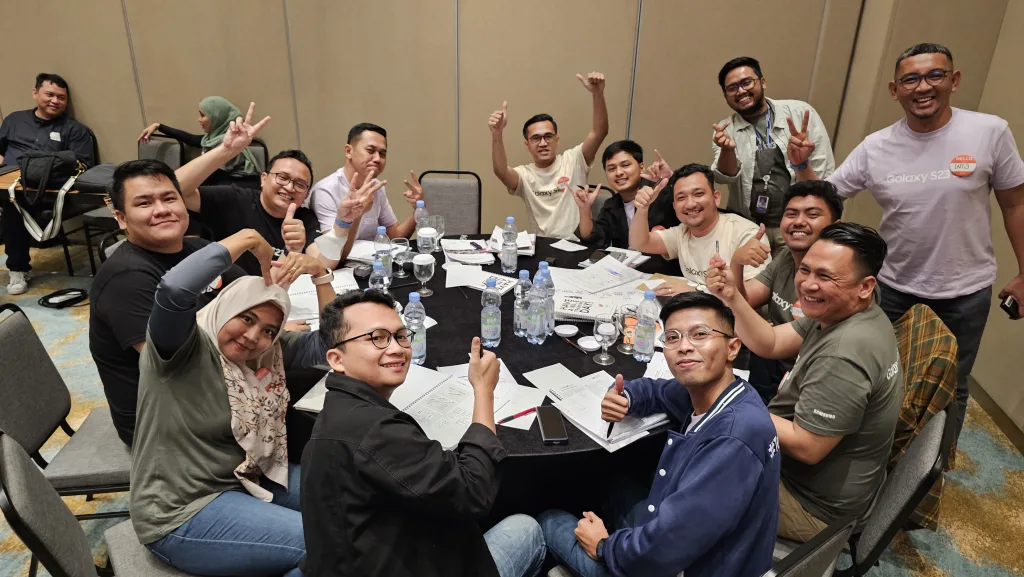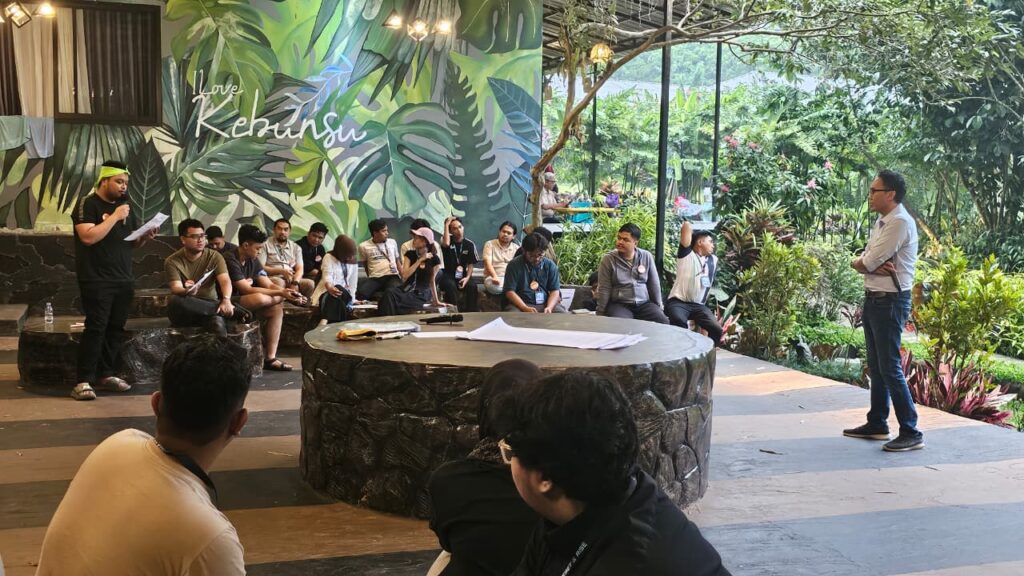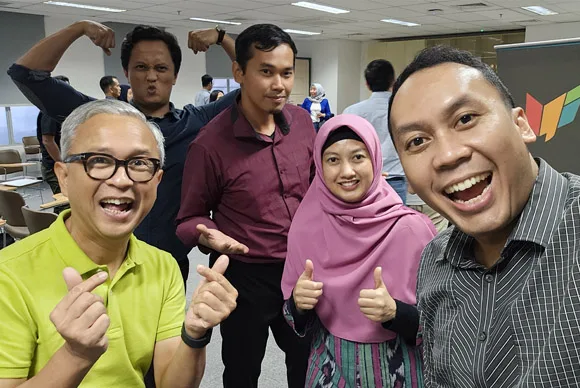
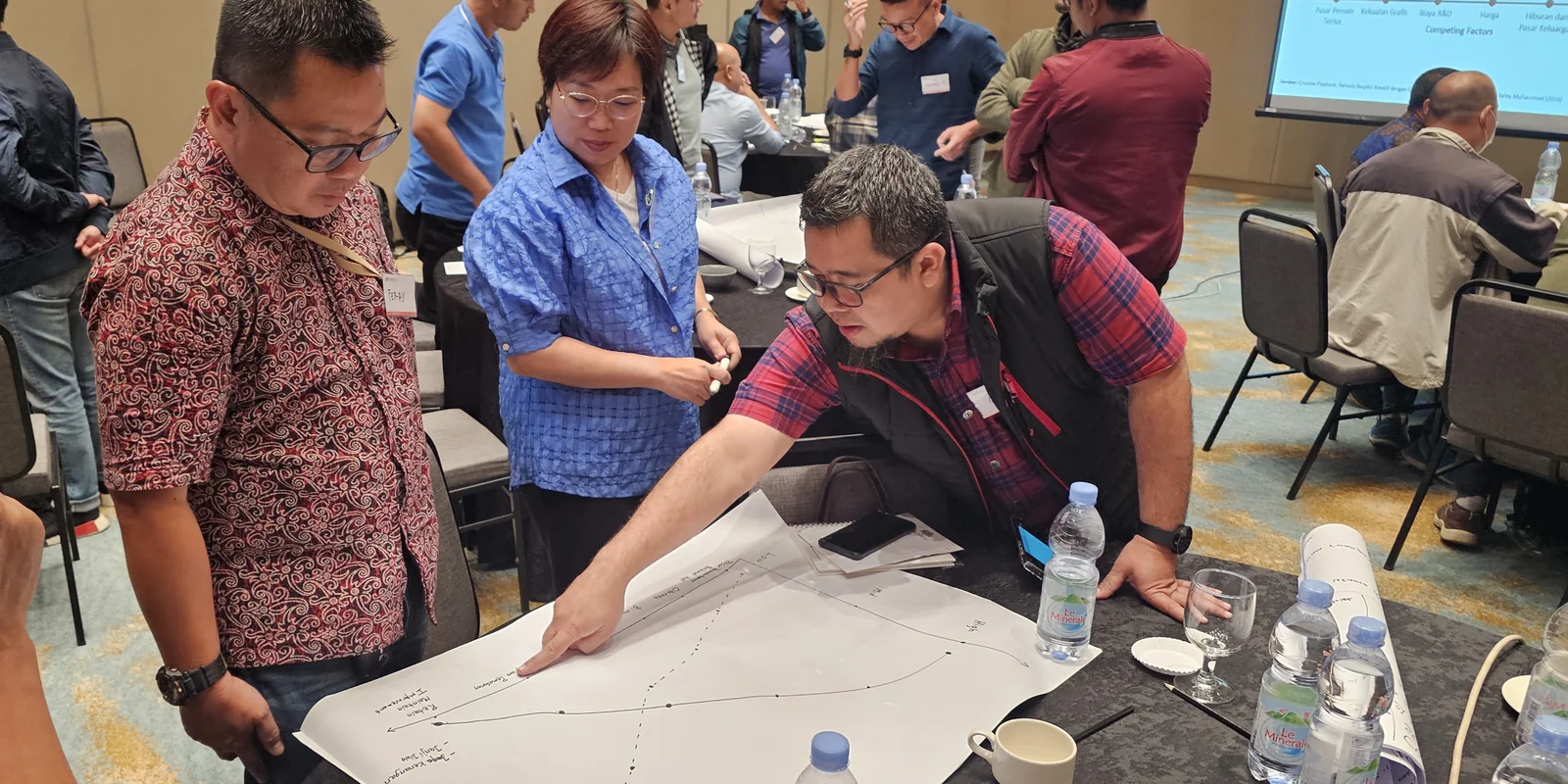
Teamwork is the ability of a group of people to accomplish tasks together in ways that individuals couldn't accomplish alone. Collaboration isn't about familiarity, but rather about results: shared goals, clear roles, and habits that allow for the exchange of information without having to wait for a superior. This article discusses what teamwork actually means, how it works, the culture that supports it, and practical steps to build it with your team.
Table of Contents
ToggleWhat is teamwork, and how is it different from group work?
Group work means the work is divided, and each person completes their own part. Teamwork means those parts are interdependent: one person's results determine the quality of another's work, and one person's decisions change another's plans.
The difference is evident in meetings. In group work, meetings are used to report on what has been completed. In teamwork, meetings are used to make decisions on unclear matters, as the decisions affect the work of several people at once.
Mitologi Inspira is a team development and learning experience consultant in Jakarta. In practice, enduring teamwork almost always relies on three things: the skills of the people, the way the team works, and the habits they repeat weekly. If any of these are missing, collaboration stops at the level of politeness.
How teamwork actually works
Teamwork isn't an innate trait a group of people possess. It's the result of six factors that can be assessed and trained.
| Teamwork machine | If weak, the symptoms are | How to train it |
|---|---|---|
| Same goal | each person measures success by their own standards | one sentence of agreed objectives, posted in the workplace, repeated at every meeting |
| Clear roles and authorities | overlapping work, decisions waiting for superiors | list of who decides what, checked when new work comes in |
| Feeling safe to talk | people keep quiet when they know there is a problem | the leader asks for objections first before asking for approval |
| Communication habits | information stops at one person, misunderstandings repeat | bad news is delivered early, a summary of the agreement is written at the end of the meeting |
| Accountability between peers | waiting for each other, deadlines slipping without anyone asking | small promise between colleagues, checked at the start of the next meeting |
| Sense of trust | help is requested only in times of emergency | small promises are kept repeatedly, and mistakes are discussed without looking for suspects |
These six machines don't stand alone. A sense of security encourages people to report problems early. Early reporting makes accountability possible among peers. Repeatedly keeping promises fosters trust, and trust encourages people to seek help before it's too late.
Stages that are almost always passed
Bruce Tuckman (1965) identified four stages that teams go through: forming, storming, norming, and performing. He later added adjourning for teams that disband after the work is completed.
The important thing to understand about this stage isn't the name, but two things. First, initial friction isn't a sign of a team with the wrong people, but rather part of the process. Second, teams can regress: changes in members, new targets, or a new boss can send them back to the storming stage. Therefore, the rules of the game need to be reiterated, not just agreed upon once at the outset.
Signs of weak teamwork
The signs usually don't appear as complaints. They appear as small, recurring habits.
- The meetings are long, but the decisions are thin and often repeated the following week.
- Important information only becomes known to many people after it becomes a problem.
- The job waits for one person, and no one asks why.
- Mistakes are discussed by looking for who is at fault, not what is holding them back.
- Help is requested only when there is no other way.
- The most experienced team member becomes the shortcut for decisions that should be made together.
If two or three of these signs consistently appear, the problem is usually not solely communication skills. It's important to examine whether goals, roles, or how to measure success are unclear.
Teamwork culture: what is measured and what is celebrated
Teamwork culture is shaped by what's measured, what's celebrated, and what's left unchecked. These three things continue, even if no one planned them.
What is measured. If success is measured solely by individual numbers, collaboration will be detrimental. Teams do what they measure. Therefore, team metrics are necessary, such as the completion time required by two divisions, or the amount of work held up in handovers between departments.
What is celebrated. Teams imitate what gets attention. If only big wins are celebrated, people learn to gloss over small problems. Celebrating a quickly resolved issue, or a collaborative effort that helps a team meet a deadline, teaches a different lesson.
The one left. If behavior that undermines cooperation is tolerated because the most productive person is involved, the team learns that the rules don't apply equally to everyone. This is the quickest way to kill a teamwork culture.
The ritual is simple and repetitive: regular one-on-one conversations, a peer review of commitments at the beginning of the meeting, a closing that lists who's done what by when, and a brief evaluation after the major tasks are completed. Team synergy isn't built in a single session, and neither is teamwork.
Team building: what can and cannot be done
Team building is an activity aimed at improving collaboration. It can take the form of games, offsites, or workshops. It's important to remember that team building is a tool, not a result.
There are three things that are usually successfully built in a single session:
1. Common language. Teams gain vocabulary to talk about differences in working styles, so that minor frictions are no longer brought up as personal grievances.
2. A sense of knowing each other. People who know their colleagues' burdens and work methods find it easier to ask for and give help.
3. Agreement on the rules of the game. The team established some small habits that would be repeated, such as how to raise objections.
What's usually not accomplished in one session: changing work habits. A fun day's activities don't automatically change the way we work. Change only emerges when the agreed-upon rules are actually implemented in daily work, and reviewed after a few weeks.
Team development: why it is more complete than team building
Team building focuses on a single moment. Team development focuses on a longer learning process, assuming that collaboration is a skill to be practiced, not a condition to be created.
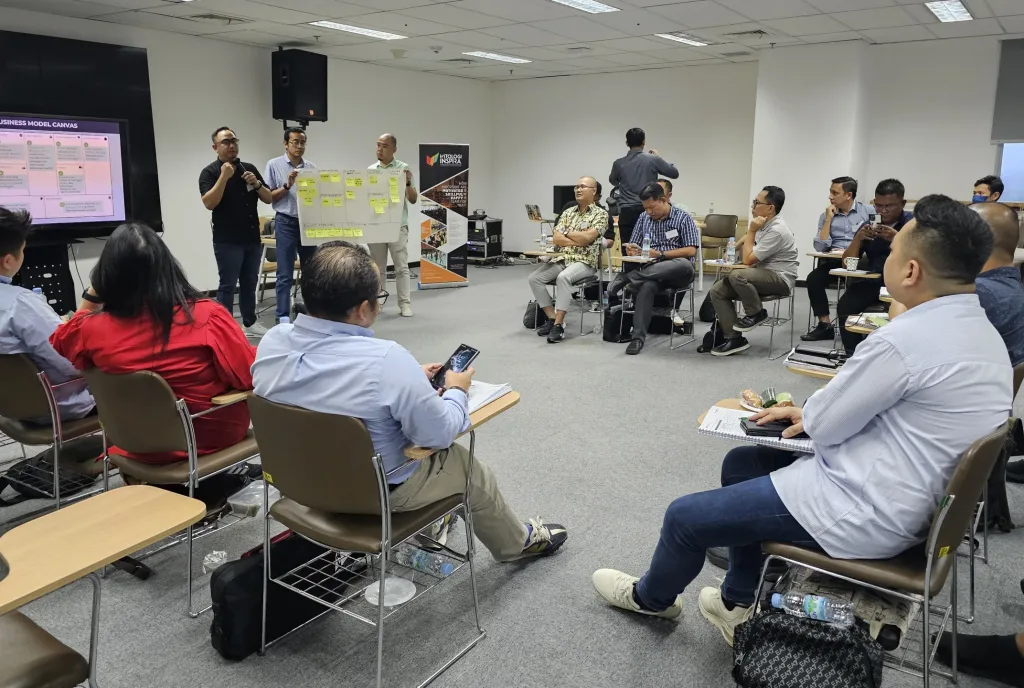
The journey that Inspira Mythology uses, the Team Development Journey, runs in five phases:
1. Diagnostic. Map the team's state first: what are the most costly symptoms, who is feeling them, and how will the change be measured?
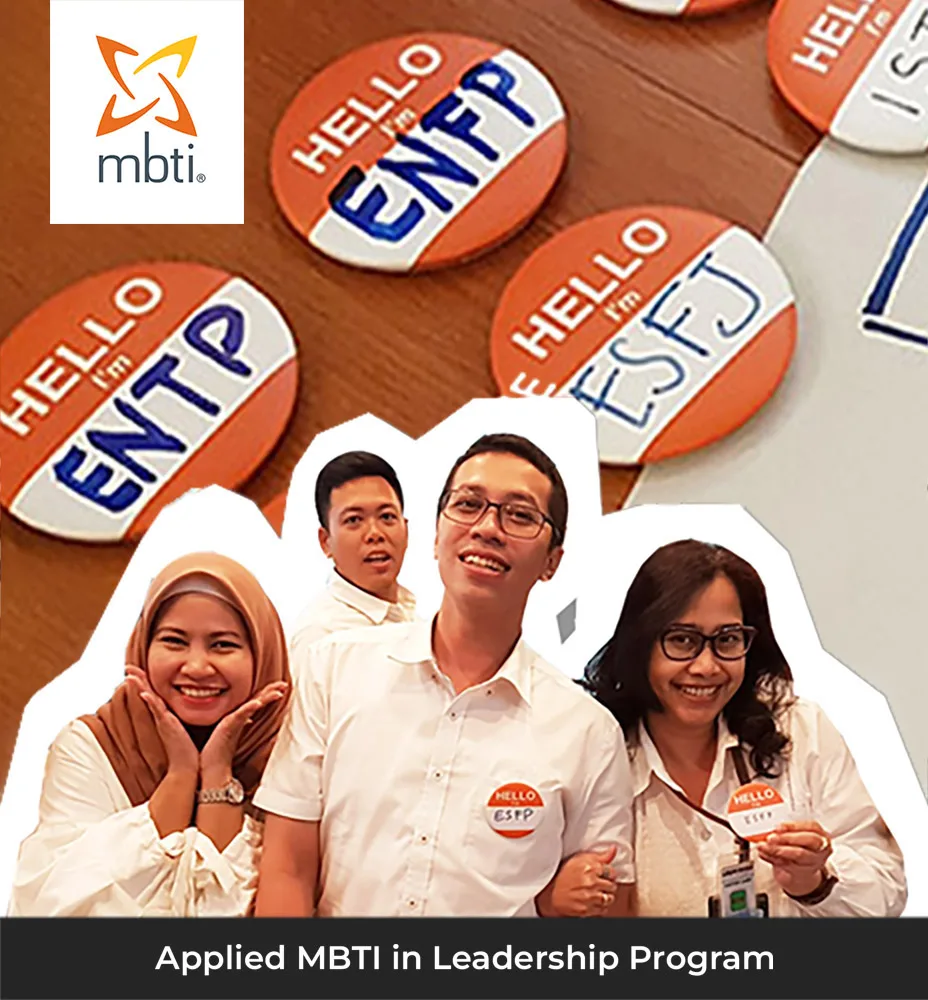
2. Aware. Teams understand each other's way of working and how it impacts the work, often with the help of tools like the MBTI that open up the vocabulary of different work styles.
3. Practice. The skills teams need most are trained directly on the job, not just in the classroom.
4. Apply. Rules of play and small habits are used in daily work, with periodic checks.
5. Repeat. The results were measured with the same instruments as at the beginning, and then the rules of the game were updated.
The sequence is important. Training before you know what needs to be trained makes the session feel fun but doesn't address the root of the problem. Conversely, measuring without training only produces a neat report.
Practical steps to build teamwork
This section can be implemented immediately. Take ninety days and divide them into three blocks.
The first thirty days: getting clear
- Write a one-sentence team goal, then ask three people to state their own version without looking. Different versions indicate the first homework assignment.
- Make a list of who decides what for the jobs that most often hold up progress.
- Agree on just three small habits, not ten. For example: bad news is delivered the same day, meetings end with who did what, and everyone is allowed to ask questions without being labeled as clueless.
- Stick to it and repeat it at every meeting until it becomes boring. Boredom is a sign of success.
Second thirty days: training
- Choose the two most defining skills from the first month's data, not twelve skills at once.
- Practice on the job: one skill per two weeks, with a quick check at a weekly meeting.
- Ask for peer feedback on specific things, such as how to summarize a deal, not personality issues.
Thirty days three: measure and repeat
- Re-measure the team's condition with the same instruments as at the beginning.
- Ask two things: which habits persist without being reminded, and which habits fall back into disrepair when work gets busy.
- Update the rules of the game based on the answers, then repeat the cycle.
One thing that's often forgotten: smooth teamwork must be maintained even when work is busy. If a good habit only occurs on a relaxed weekend, it's not yet a habit; it's still just an intention.
When does the team need outside help?
There are situations that are more quickly addressed with a mentor: conflicts that have hampered decision-making, declining results after a leadership change, the merger of two teams, or a team that has tried to improve itself but has returned to where it started. It's not because the team is incapable, but because the very way of working that needs improvement is being used to examine itself, and that's rarely possible while carrying out daily work.
In such situations, start with a diagnosis before deciding on a course of action. A quick diagnosis is cheaper than a year of trying the wrong thing.
Frequently Asked Questions
What is teamwork, if explained briefly?
Teamwork is interdependence managed well: common goals, clear roles, and communication habits that allow quick decisions to be made without waiting for superiors.
What is the difference between teamwork and group work?
In group work, the work is divided and completed individually. In teamwork, one person's results determine the quality of others' work, so decisions need to be made together.
Can teamwork be formed in one team building session?
One session can build a common language, get to know each other, and agree on rules. What isn't accomplished in one session is changing work habits, so that requires repetition and review after a few weeks.
What is the difference between team building and team development?
Team building focuses on a single moment, usually a single activity. Team development focuses on a longer sequence: diagnostics, awareness, training, implementation, and then re-measurement.
Where should we start if teamwork in our team is weak?
Starting with clarifying goals, roles, and three small habits. If the problem persists despite clarification, then move on to skills training and assessment.
Is teamwork only the team leader's job?
No. Leaders set the rules and lead by example, but daily habits are shared by all members. Teams that simply wait for their leaders to improve their teamwork often remain stuck at the politeness stage.
Reference
Tuckman, B. W. (1965). Developmental sequence in small groups. Psychological Bulletin, 63(6).
Edmondson, A. (1999). Psychological safety and learning behavior in work teams. Administrative Science Quarterly, 44(2).
Google re:Work (2015). Guide: Understand team effectiveness.
Salas, E., Reyes, D.L. and McDaniel, S.H. (2018). The science of teamwork: Progress, reflections, and the road ahead. American Psychologist, 73(4).
Katzenbach, J.R. and Smith, D.K. (1993). The wisdom of teams. Harvard Business School Press.
Next steps
If you'd like to map out your team's situation before deciding on any activities, Inspira Mitologi opens the Team Development Journey with a diagnostic phase. The details and scope are listed on page 1. Team Development Program. For teams that need a common language about different ways of working, the path is on the page Applied MBTI Series, and for a shorter form of the activity, see In-House Training.
If you want to discuss your team's situation first, our team can be contacted via WhatsApp 0811 922 3601. If your needs are already written down and you want a quote, please submit it via requirement form.