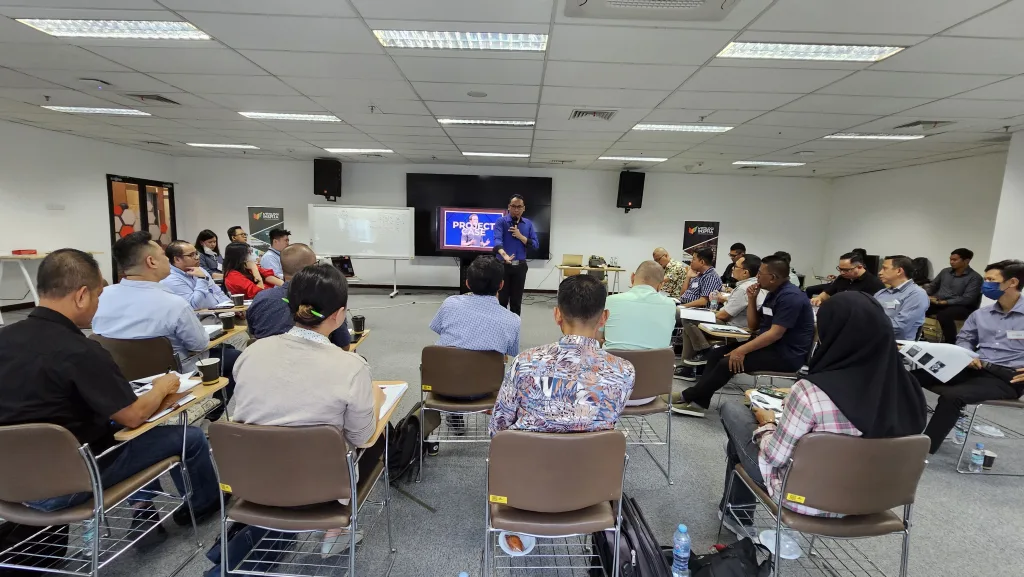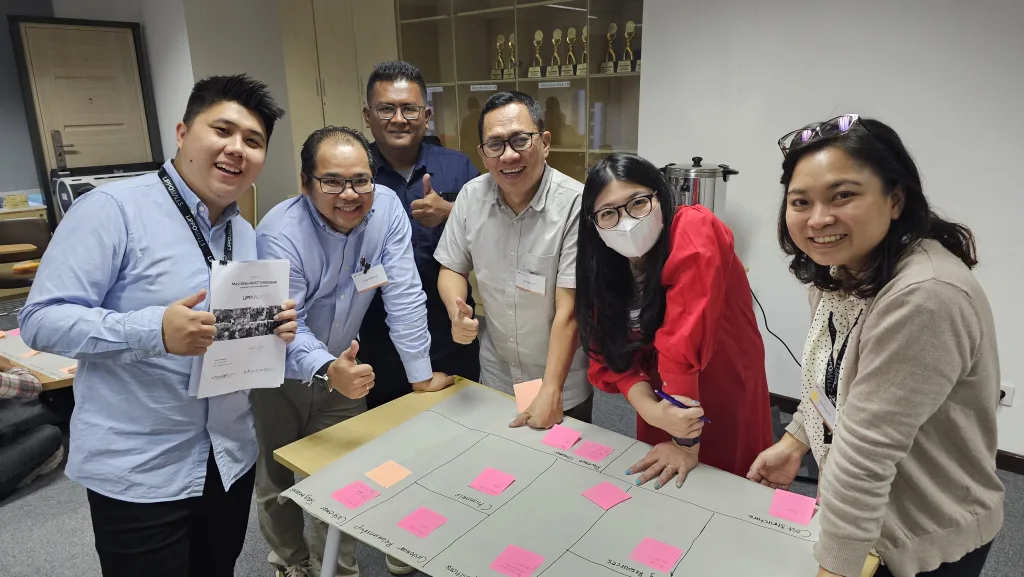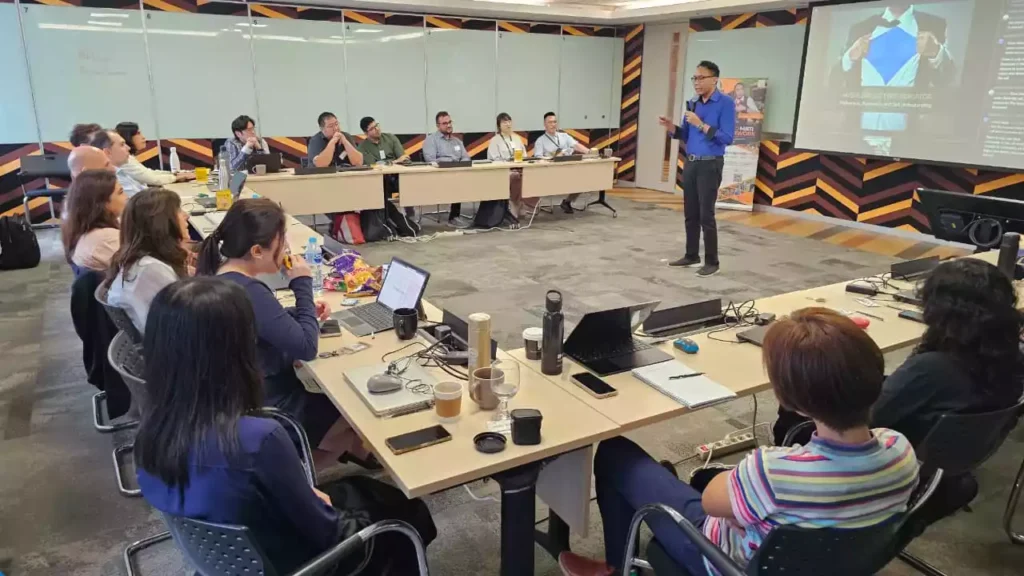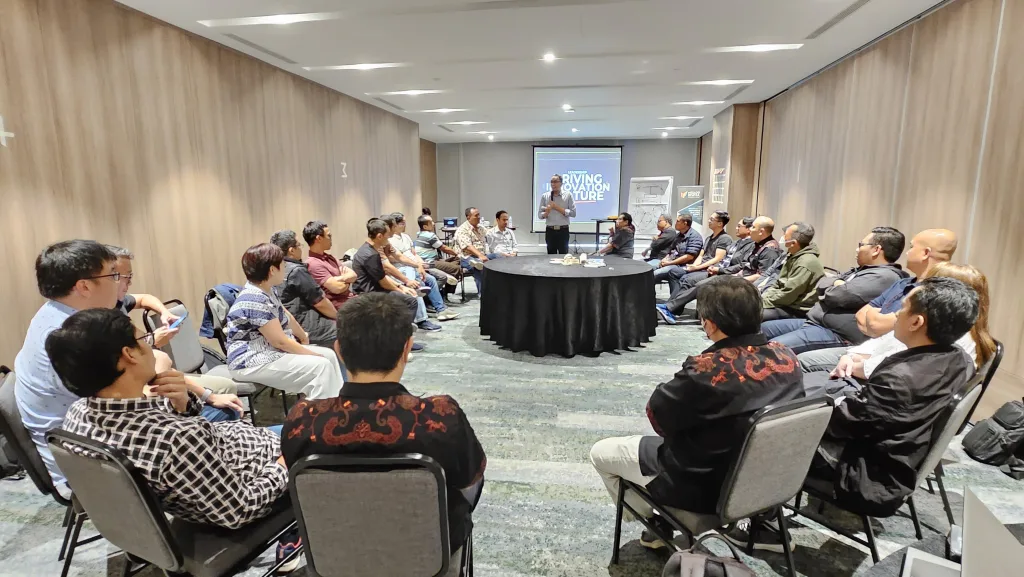
Before selecting an in-house training provider, there are five things HR can check for themselves without the need for a consultant: who facilitates the training, whether the assessment tools are legitimate, what happens after the session, whether the provider is willing to provide a diagnosis beforehand, and whether they have clients available to contact. These five checks are enough to weed out seemingly attractive offers at trade shows before committing to money and dates.
Table of Contents
ToggleWhy exhibitions are useful, and where their limits are
The HR training and development exhibition in Jakarta is useful for two things: expanding your list of providers and testing how providers explain their work. Within ten minutes of conversation at a booth, you can get a sense of whether the person in front of you understands the team's problems or is simply memorizing a list of modules.
The boundaries are also clear. A conversation at an exhibition isn't a diagnosis. No provider can assess your team's needs from a booth, and you don't need to make any decisions on the day. An exhibition is a place to gather information, not to sign deals.
Five things to check before choosing a provider
Who will facilitate, and what is their background?
Ask for the facilitator's name, not their company. A good company will provide their name, experience, and areas of expertise. If the answer is something like, "Our team will adapt," the next question is who developed the materials and whether the same person also ran the session. Materials created by one person and run by another often lose their relevance to the participants' work.
Is the assessment instrument official?
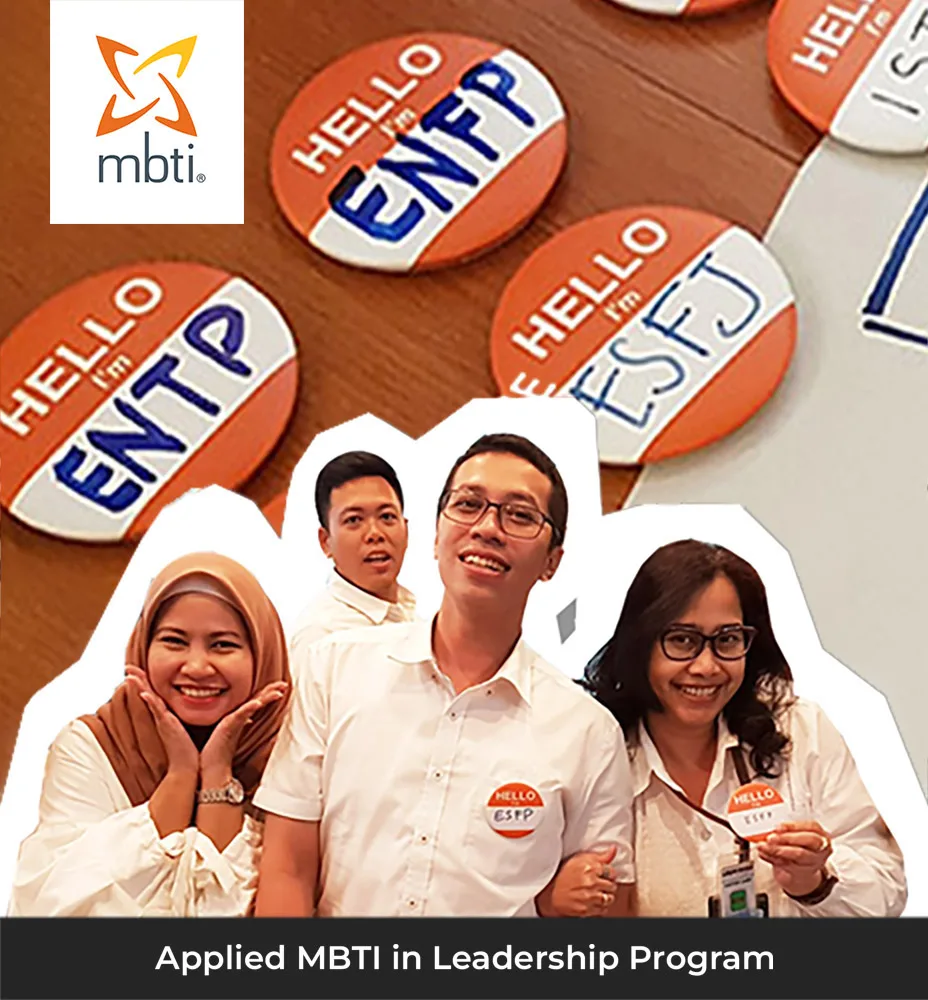
If the offer includes a personality assessment, ask what instrument is used and who the licensee is. Mitologi Inspira, for example, is an officially licensed MBTI provider for Indonesia, and this can be verified. If the provider cannot name the licensee, it's likely an unofficial version, and the results cannot be used for any company decisions.
It's also important to remember the tool's limitations. The MBTI is not designed for recruitment selection or promotion decisions. Providers who honestly explain these limitations are generally more trustworthy than those who promise the assessment is a decision-making tool.
What happens after the session is over
This is the most frequently unasked question, yet it's the most crucial. Learning transfer research shows that most training content evaporates within weeks without repeated reinforcement. Therefore, three things need to be included in the answer: whether there are reassessments, whether there are scheduled reinforcement sessions, and whether there are reports you can show to management.
Is the provider willing to diagnose first?
A provider who readily agrees to all requests without question is usually selling the topic, not addressing the problem. Questions that signal a serious provider include: what are the most costly symptoms for your team, who is most affected, and how will the changes be visible after three months. If the root cause isn't clear, a sensible first step is an organizational assessment, not training.
Is there a client that can be contacted?
Ask for the names of two or three clients who have used similar services, with permission to be contacted. Experienced companies won't mind. What matters in the conversation isn't the praise, but what happens two months after the session is over.
Questions that can be asked at the exhibition
The following table can be taken with you when you travel. Responses indicating the need for caution are usually general, not detailed.
| Your Questions | A comforting answer | Answers that need to be checked again |
|---|---|---|
| Who is the facilitator? | clear name, field, and experience that can be checked | “"Later it will be adjusted to your needs"” |
| What is the assessment instrument? | official instrument name and its license holder | “standard personality test” |
| What happens after the session? | scheduled reinforcement sessions and written reports | “"if needed, can be added"” |
| Can we start with diagnostics? | there is an assessment option before the program | always answer with training packages |
| Can I ask for a client referral? | give name with permission | responded with testimonials in the brochure |
What doesn't need to be decided on the spot
Exhibitions have an atmosphere that encourages people to make quick decisions, especially if there are discounts during the event. Some things are best taken home first:
- A comparison of at least two providers, with detailed components, not just one total figure.
- Budget approval from the relevant authorities, in accordance with your company's procurement policy.
- Confirm a date that does not conflict with book closing, audits, or the division's busy schedule.
- Initial participant list and number per batch, as these numbers affect the price and form of the activity.
If you come to the exhibition from 8 to 11 October 2026
The HR training and development exhibition in Jakarta from October 8 to 11, 2026, can be used to conduct the five assessments mentioned above in one day. The Inspira Mythology team will be participating in the exhibition, and we'll be discussing the symptoms you're currently experiencing in your team, not the module catalog.
If you want to prepare questions before coming, these two readings may be helpful: how the in-house training works and its scope are on the page In-House Training, while the cost components that are often forgotten are in How in-house training works and its scope in Jakarta.
Next steps
The five assessments above can be performed free of charge and without any commitment. If the provider is a good fit, the next step is usually a thirty-minute conversation about what issues you want to address, who is most affected, and how you'll see the changes after three months.
To discuss your team's in-house training needs, the Mitologi Inspira sales team can be contacted on WhatsApp at 0811 922 3601. If you already have a more specific idea of your needs and would like a written offer, please submit it via requirement form.
Frequently Asked Questions
What should HR check before choosing an in-house training provider?
Five things are required: the name and background of the facilitator, the authenticity of the assessment instrument used, the post-session plan, the provider's willingness to provide a diagnosis first, and a client referral. All five can be reviewed free of charge.
Does the supplier decision have to be made during the exhibition?
No. Exhibitions are most useful for gathering information and testing how suppliers present their work. Compare at least two suppliers with detailed components, then request written quotes before deciding.
Why do providers need to be willing to diagnose first?
Because training that begins without understanding the root cause tends to only add more work, not solve the problem. If the symptoms the team is experiencing are unclear, conducting an assessment first saves time and money.
What signals an offer to be wary of?
Generic answers, refusal to name the facilitator, unclear assessment instruments, and no post-session reinforcement plan. Providers who don't specify component details are also more difficult to compare fairly.
How to assess the training results after the session is completed?
Compare the situation before and after the session using the same assessment, and then review the work behaviors agreed upon at the outset. Without these two things, the assessment is based solely on participants' impressions at the end of the session.